How much does video production cost in the UK?
Most small UK businesses are quoted between £800 and £6,000 for a professionally made video. A single short social video can be a few hundred pounds.
Jump to the short answer
Most small UK businesses are quoted between £800 and £6,000 for a professionally made video, going by the prices production companies publish. A single short social video can be a few hundred pounds, and a planned shoot day that produces a batch of videos usually sits in the middle of that range.
But the price of one video is the wrong number to budget around. The number that matters is what each video costs you, and whether it brings work back in. That is what most of this page is about.
What UK businesses pay for video in 2026
These are the ranges UK production companies publish on their own sites. They are asking prices, not a measured average, and London prices often sit at the top of each range.
| Type of video | Typical quoted price | What it usually is |
|---|---|---|
| Short social videos (reels, TikToks) | £400 to £1,000 each | Under 60 seconds, captioned, made for a phone screen |
| Promo or "about us" video | £800 to £3,000 | 1 to 2 minutes, 1 location, for your website or Google profile |
| Interview or talking head video | £2,000 to £6,000 | You or a client on camera, with cutaways of the work |
| Freelance videographer, per day | £400 to £900 | Camera and operator only. Planning and editing on top |
| Editor, per day | £300 to £600 | Cutting, captions, sound and colour |
Based on prices published by UK video production companies in 2026. All excluding VAT.
Why 3 quotes for the same video can be £500, £2,000 and £6,000
It is normal, and it is confusing. The gap is almost always in 3 places.
- The planning. Who works out what the video needs to say, and writes it? The cheapest quotes usually skip this, and it is the part that decides whether anyone acts on the video.
- The shoot. How many hours, how many locations, how many people on the crew, and how much kit.
- The edit. Captions, graphics, music licensing, sound, colour, and how many rounds of changes you get.
A low quote is not a bad sign on its own. A low quote with no planning in it usually is. As one owner put it on UK Business Forums: "Most videos, even those made by so-called professionals, are just dreadful and therefore have negative results." A video that looks cheap can do more harm than good, because it is often the first thing a customer sees of you.
Work out the price per video, not the price per project
Most guides price 1 video. Price the day instead.
If you book 1 promo video for £2,000, you have 1 video. It goes on your homepage, gets shared once, and that is usually the end of it.
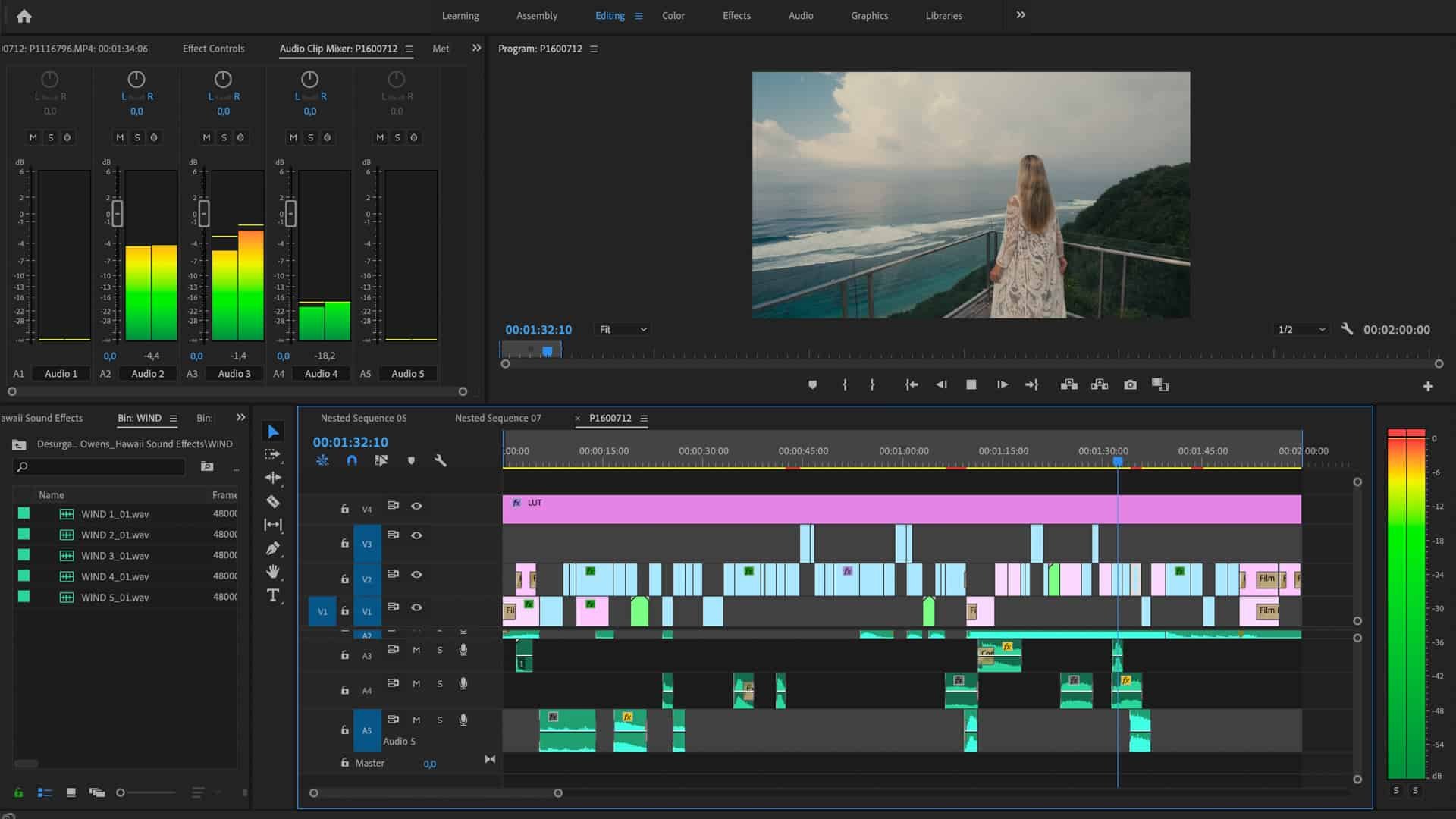
If you book a full day where everything is scripted before anyone turns up, you can record far more. We plan every video in advance and put the scripts on a teleprompter, so on a normal day we come away with around 15 finished short videos, sometimes more.
A real example: one of our trades clients in Essex pays £1,400 + VAT for a shoot day. That day produces 15 to 20 edited, captioned videos. That works out at between £70 and £93 a video, against £400 to £1,000 each when videos are made one at a time. The planning, travel and setup are shared across the day, and these are short social videos rather than 1 polished promo. Together they cover their social media for weeks.
First timers are always surprised how much gets done. One client, after their first ever shoot day: "We've probably recorded about 35 videos... For someone who's never done anything like this before, I think it's gone well."
Will a video actually bring in work?
This is the real question behind "how much does it cost", and it is the one owners worry about most. From the same forum:
"People don't want you to post on Instagram, they want leads."
"They never guarantee any return on investment so you end up spending a small fortune with them for nothing in return."
They have a point. Here is what we have seen.
A video on its own rarely brings in work. A video that people see, over and over, does. Video builds trust. It lets someone see how you talk, what your work looks like and whether they would like dealing with you, before they ever pick up the phone. But if it only goes out to people who already follow you, it is not reaching anyone new. That is a distribution problem, not a video problem, and we have written about it in why posting more will not fix your leads.
The wider numbers back this up, with a catch. In Wyzowl's 2026 survey, 85% of marketers using video said it helped them generate leads and 82% said it gave a good return. But only 32% say they use sales to measure whether it worked. Most judge video on views and engagement, which is part of why so many owners feel they paid for nothing.
What it looks like when it is set up properly: Liz Flavell, one of our clients, ran one of her videos as a small Instagram ad. After £145 of ad spend she had booked a new client for 2 days at £1,350 a day, with another client lined up behind it. Her words: "Still good return from the ad!" Read the full Liz Flavell case study.
The simple sum to see if video is worth it for you
Take what the video costs. Divide it by the profit 1 new customer brings you. That is how many new customers it needs to bring in to pay for itself.
- Say you fit kitchens and a typical job leaves you £3,000 profit. You need 1 job from a £1,400 shoot day. Just 1, across weeks of content.
- Say you run a dental practice and an implant patient brings in £1,500 profit. You need 1 patient.
- Say you run a café making £3 on each £8 lunch. You need about 470 extra lunches. Still doable, but it is a different conversation.
If the sum comes out at 1 or 2 customers, that is a manageable target. Whether you hit it depends on your offer, who sees the videos and how quickly you follow up. If it comes out at hundreds, you need a clear plan for reaching lots of people before you spend anything.
How to tell if your video is working
Do not judge it by views. 800 views from people in your area who could actually buy from you beat 20,000 from people who never will. We have a whole post on that. Instead, check these 5 things:
- 1. Ask every new enquiry "how did you hear about us?" Write it down. It is free and it is the most useful data you will have.
- 2. Put a tagged link on your Instagram bio and on any ads, so your website analytics shows which visits came from video.
- 3. Count calls and form fills month by month, before and after the video goes out.
- 4. Watch your profile visits, not your views. Are more local people looking at your page?
- 5. Listen on sales calls. The best sign is often not public at all. It is someone saying "I've been watching your videos".
When video is not worth it yet
Do not book video yet if any of these apply.
- You cannot reply to enquiries quickly. If a message sits for 3 days, the video did its job and you lost the customer anyway.
- There is no clear offer. If someone watches and wants to buy, what do they do next? If you cannot answer that in 1 sentence, sort that first.
- There is no plan to get it seen. Great video on a hard drive wins nothing. See great content on a hard drive will not win clients.
- The business is not making money yet. Marketing helps a business that already works grow faster. If the basics are not right yet, sort those first.
6 things to check before you sign
- 1. Who writes the scripts? If the answer is "you do", make sure that is what you want. The script is the part that decides whether the video works.
- 2. How many finished videos, and how long is each one? Get the number in writing.
- 3. How many rounds of changes are included?
- 4. What can you use the videos for? Check you can use the finished videos anywhere, including ads, and whether the raw footage is included.
- 5. Is the music licensed for ads? Some tracks are fine on Instagram but not in a paid ad.
- 6. What happens if a video does not work? Ask before you sign, not after.
What video costs in Essex
Outside London, quotes often come in towards the lower half of the ranges above. For a local service business in Essex, a single promo video is typically quoted at £800 to £2,500, and a planned shoot day edited into a batch of short videos usually lands between £1,000 and £2,000.
More detail on our video production page, or read how much video production costs in Essex.
Frequently asked questions
How much does a 1 minute video cost?
A 1 minute promo from a UK agency is usually quoted between £800 and £3,000. Length matters less than people think. What moves the price is how much planning, shoot time and editing it needs.
Why do video quotes vary so much?
Mostly because of what is and is not included. Check whether the quote covers planning and scripting, how many hours of shooting, how many finished videos, and how many rounds of changes.
Can I just make videos on my phone?
Yes, and for some content you should. Phones are brilliant now. What you are paying a production company for is the planning, the scripting, getting you comfortable on camera and a professional edit. If you have the time and the know-how for those, a phone will do.
How long does it take for video to pay for itself?
It depends on your offer and how many of the right people see the videos. Track enquiries from the first week and review properly at 3 months. The sum above tells you how many customers you need to cover the cost.
Is it cheaper to hire a freelancer?
Often, yes, on the day rate. A freelance videographer is usually £400 to £900 a day. But check whether planning, scripting and editing are included, because those are where most of the value sits.
Want a fixed price for your business? Speak to the team and we will tell you what it would cost and how many videos you would get.
Book a free 20-min call